(Image source from: Globalnews.ca)
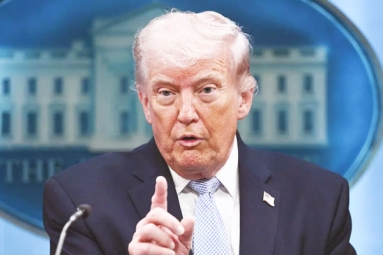
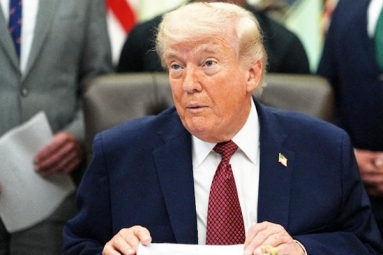
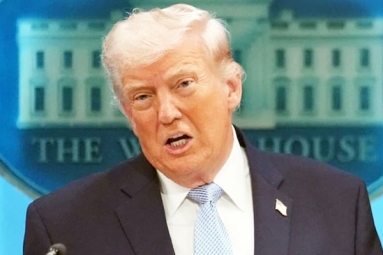
Donald Trump on Sunday firmly dismissed Iran’s recent reply to a US suggestion aimed at resolving the ongoing conflict in the Gulf area, labeling Tehran’s stance as “completely unacceptable" in a message on Truth Social. This comment followed shortly after Iranian state media shared details of Tehran’s reaction to Washington’s recent diplomatic efforts, marking a significant setback for hopes of a quick breakthrough in talks. “I just read the message from Iran’s so-called ‘Representatives. ’ I don’t like it—COMPLETELY UNACCEPTABLE! " Trump stated in the post. The President did not specify which parts of Iran’s response he disapproved of. The US proposal had been introduced recently to reignite peace discussions and ease the tension in the 10-week conflict that has disrupted shipping in the Strait of Hormuz, increased global oil prices, and escalated tensions throughout the Middle East. However, Iran’s reply reportedly emphasized demands such as compensation for war damages, acknowledgment of Iranian control over the Strait of Hormuz, ending sanctions, and assurances against future attacks.
Iranian state television indicated that Tehran saw the latest US proposal as a demand for surrender and instead pushed for what it termed “war reparations from the US, full Iranian control over the Strait of Hormuz, an end to sanctions, and the return of frozen Iranian assets. " Reuters mentioned that Iran’s reply also requested the US to lift its naval blockade and remove limitations on Iranian oil sales. The semi-official Tasnim news agency stated that Tehran also sought guarantees against any more attacks occurring. According to Reuters, the US proposal aimed to halt fighting before starting wider discussions on controversial subjects, including Iran’s nuclear program. The Wall Street Journal, as cited by Reuters, reported that Iran had additionally offered to dilute part of its highly enriched uranium supply and move the rest to another country.
Pakistan, which has been acting as a mediator between both sides, reportedly sent Tehran’s reply to Washington. Before outright rejecting Iran’s reaction, Trump had also accused Tehran of stalling. In a previous social media message, the US President accused Iran of “playing games" with the US for several decades. “They won’t be laughing anymore! " Trump expressed. Even with the decline in progress on the discussions, the administration publicly insisted that diplomatic efforts were still ongoing. US ambassador to the United Nations Mike Waltz told ABC that Trump was giving diplomacy “every opportunity we can before returning to hostilities. " At the same time, Trump reiterated his warnings that military actions could be resumed if Iran did not agree to a deal that addressed both the crisis in the Strait of Hormuz and Tehran’s nuclear activities. The Strait of Hormuz has emerged as a key battleground in the conflict.
Tehran has mainly shut off non-Iranian ships from passing through the small waterway, which used to transport about twenty percent of the world’s oil. Even with a shaky ceasefire and nearly two days of calm, the atmosphere was still tense on Sunday. According to Reuters, threatening drones were spotted over multiple Gulf nations, while AP mentioned that a drone strike started a small fire on a ship near Qatar. The United Arab Emirates claimed it shot down two drones it linked to Iran, and Kuwait said its air defense systems dealt with drones entering their skies. Qatar criticized the attack on the ship as a “serious and unacceptable escalation. ” Additionally, Reuters stated that a liquefied natural gas ship operated by QatarEnergy successfully navigated through the Strait of Hormuz on its way to Pakistan, marking the first such Qatari delivery since the conflict began on February 28.
Reuters also conveyed that Trump is facing increasing global and local demands to put an end to the conflict before his imminent trip to China. The ongoing war has intensified a worldwide energy crisis and sparked worries about broader economic effects. In the U. S., the situation has become politically charged due to rising gas prices and mounting discontent from Democrats. At the same time, Israeli Prime Minister Benjamin Netanyahu remarked that the war is not over yet and emphasized that Iran's stockpile of enriched uranium still needs to be dealt with or destroyed. Iranian President Masoud Pezeshkian responded by stating that Iran would “never surrender to the enemy" and would keep protecting its national interests.