(Image source from: Viewsbangladesh.com)
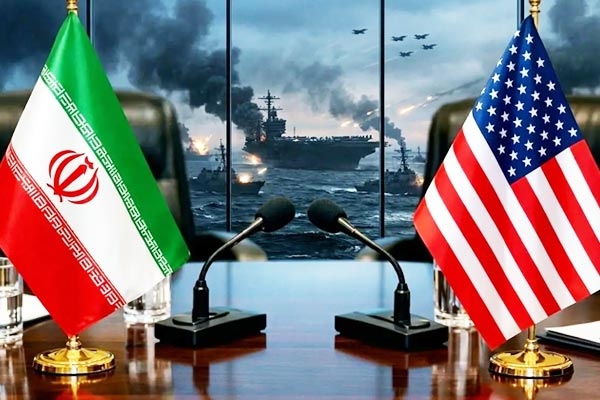
The suspense surrounding the peace agreement between the US and Iran continues, with a representative in Washington expressing that his belief in reaching a deal has increased from 75 percent to 80-85 percent. However, there are still unresolved issues related to Iran’s nuclear arsenal, frozen finances, and the Strait of Hormuz.
Speaking anonymously, the US official informed the New York Times that a possible agreement framework with Iran could be finalized in "the next few days," but noted that it is still not completed. The specifics regarding when or where the signing will occur are not clear, as the decision-making process in Iran is "very complicated. " The official stated, "The essence of the deal is actually quite straightforward. It achieves the main goals set by the President of the United States and puts us in a very good position when it's done. First, it allows the straits to reopen and ends the blockade. Second, it leads to the dismantling of Iran's nuclear program. Third, it ensures that the US retrieves the enriched materials. We agreed that this material would be destroyed on-site and then removed from the country. "
Dismissing reports of immediate financial benefits for Iran, the official denied claims that Tehran would get money upon signing the memorandum of understanding. "I've heard it said that they would receive $12 billion, or $1 billion, or $6 billion with the signing of the MoU. That is completely false; the Iranians receive nothing at the time of signing the MoU or during the negotiations themselves. They are rewarded financially for following the terms of the deal. For example, if they hand over the nuclear materials as they promised, they will receive compensation. If they dismantle their nuclear programs or facilities, they will gain additional rewards. Furthermore, if they genuinely commit to peace and stability in the region, they will earn more benefits," the official explained. While the agreement is portrayed as a significant diplomatic success, reports suggest that the Iranian side claims it will only create a 60-day ceasefire, after which further discussions on Iran's nuclear program and its frozen assets will take place.
As of now, the specifics of the agreement are unclear, and Supreme Leader Mojtaba Khamenei has not formally approved it. Iran's foreign minister Abbas Araghchi mentioned that the agreement is "closer than ever," but he emphasized that the talks will happen in two stages. He highlighted a long-standing problem from Iran's perspective: Tehran's significant mistrust of the Trump administration. Iran's chief negotiator, Mohammed Ghalibaf, also expressed caution in a message on X, stating, "Promises made should be promises honored. No exceptions or excuses. For the impending agreement, there is no alternative. You get what you put in."
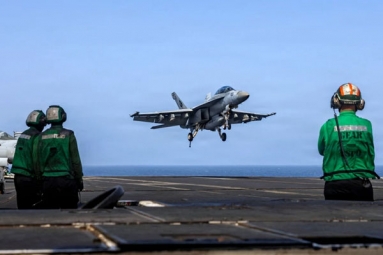
However, a US official rejected Iran's description of how the deal works, asserting that it is intended for Iranian leaders' local audience. Israel, which began the conflict with the US on February 28, has not participated in the discussions and is unwilling to pull back from Lebanon. The US official informed the New York Times that the peace agreement will involve Israel, Lebanon, the Gulf region, and Iran. Pakistan, which first hosted US-Iran discussions in Islamabad without success, has stated that it is collaborating with both parties to finalize the next steps to agree on a "final, accepted document. " These updates come as the US military reported intercepting several drones aimed at hitting commercial vessels navigating the Strait of Hormuz. On Friday, Trump warned Iran on Truth Social about launching drone attacks on vessels trying to pass through the strait, labeling the act as "TOTALLY UNACCEPTABLE".