(Image source from: Canva.com)
The Himalayas resonate with pronounced sounds that one can easily overlook. Waterfalls thunder through restricted valleys. Glaciers move and groan under their own mass. Gusts of wind howl across exposed mountain passes. Rivers plunge downhill with unstoppable power. Yet within this intense environment, there are precious spots of serenity. High-altitude Himalayan lakes remain still among the mountains, maintaining quiet instead of clamor. These high-altitude lakes offer more than just aesthetic appeal. They have a relaxing influence on the body. Breathing becomes deeper without trying. Anxieties fade from your mind. The speed of the nervous system aligns with the landscape. Reaching them, however, always requires effort. They demand time, adjustment to the altitude, patience, and physical dedication. Roads become less frequent. Routes stretch further. Comfort fades away. That required effort acts as a filter. It keeps large groups away. It protects the tranquility. And it makes certain that the serenity found at these lakes seems earned rather than contrived.
Essential Tips before Visiting High-Altitude Himalayan Lakes:
High-altitude: Himalayan lakes reward planning just as much as presence. A few facts need attention before organizing a trip to lakes situated above 3,500 meters.
Altitude acclimatisation: Before going higher, spend no less than two to three days at a moderate altitude. Staying hydrated and moving at a slow pace are crucial.
Physical preparation: These journeys aren't technically challenging, but the lower oxygen levels turn even easy walks into something difficult. Cardio workouts are very helpful.
Mental pacing: Rushing when at a high altitude can worsen fatigue and pain. Moving slowly will result in enhanced safety and experience.
Respect for silence: These lakes stay calm since visitors keep disturbances and noises low. Avoid littering by taking your waste with you and refrain from disrupting the nature around you.
Here Are 5 Peaceful Himalayan Lakes In India For Treks, Road Trips And Solitude:
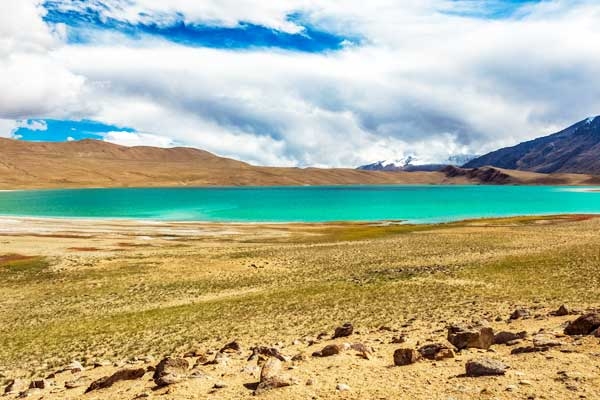
Pangong Tso Lake, Ladakh: Pangong Tso seems surreal even before the quietness takes over. The lake goes on forever, its water changing from bright turquoise to deep blue based on cloud cover and sunlight. The mountains all around are simple and bare, absent of extra color. There aren't any towns close by and minimal movement to disrupt the quiet. The absence of sound becomes something you can almost feel when standing by the water's edge. Wind appears briefly, water touches the shore lightly, and then everything gets quiet again. The mind quits looking around. Attention becomes more focused. The scale and vastness, not embellishment, are where peace originates. The drive from Leh gradually eliminates the familiar. Towns become sparse, roads grow calmer, and the altitude rises consistently. The body has already gotten used to a slower speed by the time Pangong Tso comes into view, which makes the calm at the lake feel normal rather than sudden.
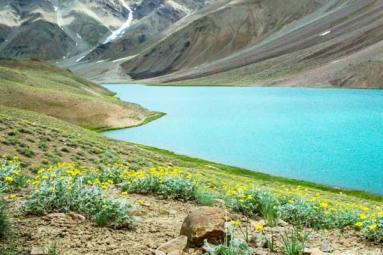
Chopta Lake, Himachal Pradesh: A more subtle kind of serenity is found at Chopta Lake. Instead of hitting you suddenly, the tranquility here grows slowly as you move. The trail meanders through forests full of rhododendrons, which burst with vibrant colors during springtime, before leading into vast alpine meadows. The sounds of birds replace human talk. Your footsteps become softer. You're encouraged to slow down by the surroundings. Ensconced in a sheltered valley, the lake exudes a sense of quiet, surrounded by mountains that feel more protective than overwhelming. The experience is molded by the constant rhythm of walking. Each step helps you breathe and think more deliberately. The gradual climb keeps you from getting too tired and lets your body adjust naturally. By the time you can see the lake, the sense of calm feels genuinely earned and natural. This lake is perfect for those trekking for the first time, travelers who prefer to take things slow, and anyone who associates peace with walking rather than total isolation.
Gurudongmar Lake, Sikkim: Positioned more than 5,400 metres high, Gurudongmar Lake is profoundly important to both Buddhists and Sikhs. This respect shapes the atmosphere right away. People naturally speak more quietly. Movement becomes deliberate. Silence feels respectful instead of empty. The lake is framed by snow-covered peaks, and prayer flags sway gently in the light breeze. Even during the summer months, the cold is still intense. Shaped as much by faith as by the landscape, the quiet here feels ceremonial. The altitude requires deliberate breathing and slower actions. Many visitors quickly feel the effects of the thin air, which leads to shorter visits and quiet contemplation. The physical challenge emphasizes awareness and being present. Spiritual travelers, experienced visitors to high altitudes, and anyone seeking reverence instead of just fun will feel a strong connection to this lake.
Tso Moriri Lake, Ladakh: Deep inside the Changthang plateau, far away from main paths, lies Tso Moriri. The lake reflects the sky so well that it's hard to tell where the land ends and the water starts. Wildlife roams freely along the banks, mostly unaffected by people. The quiet here feels strong instead of gentle. There's no attempt to impress you. The landscape just exists as it is. The long journey slowly strips away the trappings of civilization. The roads get worse. The facilities disappear. By the time you arrive at the lake, your expectations have vanished. The feeling of being alone becomes the most important part of the experience. Those who travel frequently, people who like to be alone, and anyone who is fine with basic facilities will find Tso Moriri to be the most enjoyable.
Rara Lake, Himachal Pradesh: Because Rara Lake is still largely unknown, its serenity remains intact. Not many people bother to come here, and even fewer stay for very long. Surrounded by pine trees and enclosing mountain sides, the lake quietly absorbs sound instead of echoing it back. Here, the silence is constant and very personal. As you trek through the forests and open meadows, the signs of modern life slowly fade away. There's no phone signal. The roads become streams. By the time you can see the lake, you feel completely detached. The quiet isolation of Rara Lake will be most appreciated by experienced trekkers, people who enjoy solitude, and travelers who are drawn to the lesser-known trails of the Himalayas.
The Himalayas frequently evoke notions of profound power. Sheer altitude. Formidable difficulty. Perpetual activity. However, their secluded areas expose a more enduring quality. These half-dozen Himalayan lakes embody distinct forms of tranquility, molded by expanse, physical exertion, deep respect, isolated location, and relative unknown status. Each of these lakes requires committed energy to reach. This very exertion actively safeguards the surrounding quietude. As a reward, these destinations give a progressive restoration instead of prompt alleviation. In a society overrun with unrelenting commotion, these Himalayan lakes stand as reminders that inner serenity doesn't come instantly. It is accessed deliberately, typically involving arduous ascents, and invariably with mindful purpose.